The world of automated trading can feel intimidating if you’re just starting out. Terms like “algorithmic strategies,” “backtesting,” and “API connections” might sound like they belong in a computer science textbook rather than your investment journey. But here’s the good news: setting up an AI trading bot is far more straightforward than most beginners imagine—and you don’t need a finance degree or coding skills to get started.
Whether you’re curious about trading gold, Bitcoin, or forex markets around the clock, AI-powered bots can handle the heavy lifting while you maintain full control. This guide walks you through every step of the ai trading setup process, from choosing the right platform to testing your bot safely before committing real capital.
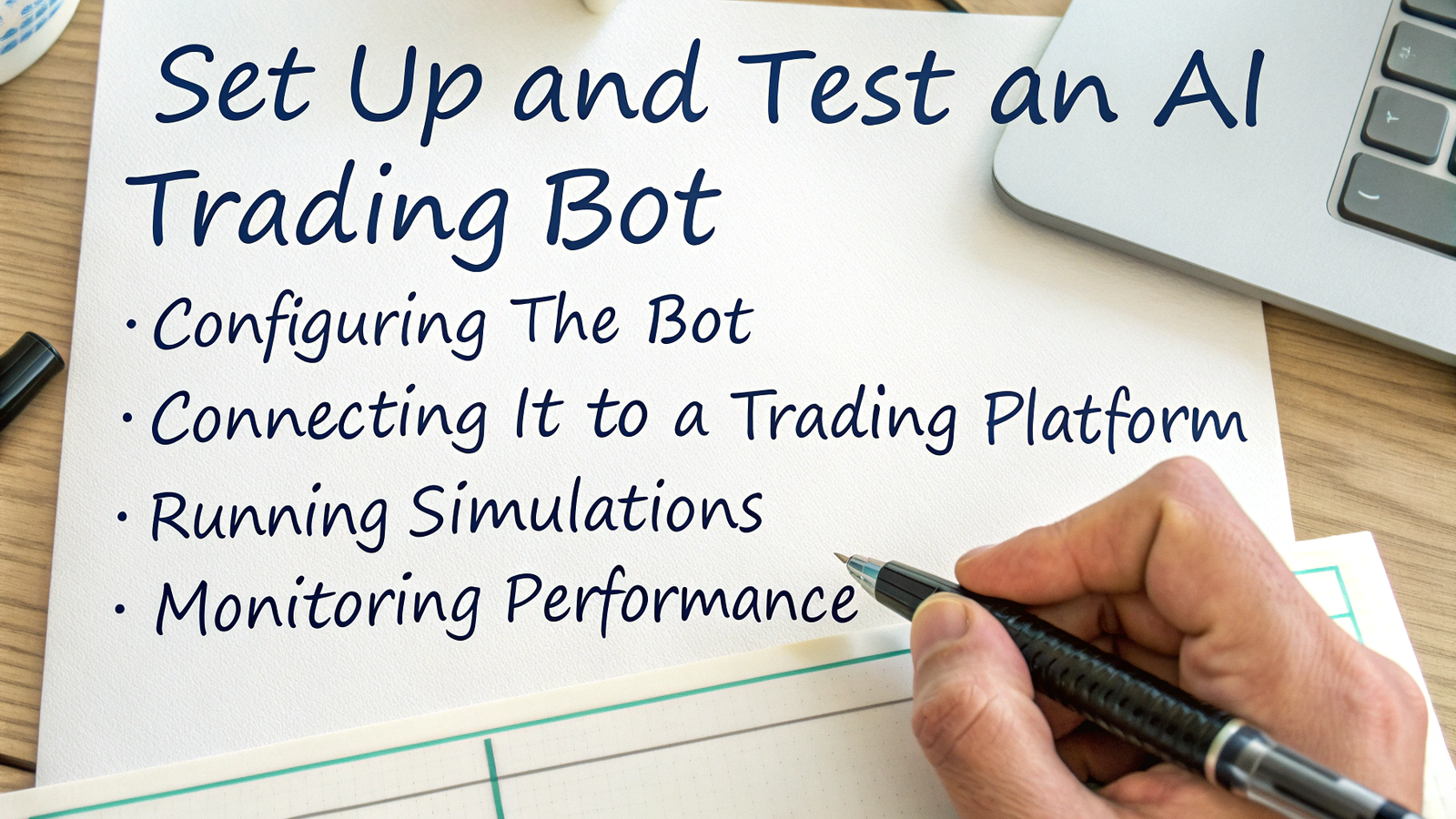
To set up an AI trading bot, choose a trusted platform, connect your brokerage account, select your preferred market and risk settings, then run paper trading tests before going live with real funds.
Why Beginners Are Turning to AI Trading Bots
Traditional trading requires constant market monitoring, emotional discipline, and the ability to analyze complex data quickly. For most people with jobs, families, and other commitments, this simply isn’t realistic. AI trading bots solve this problem by automating the entire process—scanning markets, identifying opportunities, and executing trades based on sophisticated algorithms that process far more information than any human could.
Modern platforms like BluStar AI have democratized access to institutional-grade trading technology. What once required hedge fund resources is now available to everyday investors through user-friendly interfaces designed specifically for beginners. The key advantage? These systems operate 24/7 without fatigue, fear, or the emotional biases that derail most manual traders.
Step-by-Step: Your AI Trading Setup Process
Step 1: Choose Your Platform and Market
Your first decision is selecting which platform and asset class aligns with your goals. Not all AI trading bots are created equal—some specialize in cryptocurrency volatility, others in forex pairs or commodities like gold. Research platforms that offer:
- Transparent performance tracking with verified results
- Clear risk management controls you can adjust
- Integration with regulated brokers (you keep control of your funds)
- Responsive customer support for technical questions
- Educational resources for learning how to use bots effectively
The BluStar experience centers on simplicity—offering specialized bots for gold, Bitcoin, and forex that new users can understand and configure without technical expertise.
Step 2: Connect Your Brokerage Account
Unlike platforms that require you to deposit funds directly, reputable AI trading systems connect to your existing brokerage account through secure API integration. This means your capital stays with a regulated financial institution while the bot executes trades on your behalf.
The connection process typically involves:
- Creating an account with a supported broker (the platform will provide a list)
- Generating API keys from your broker’s platform (read-only or trading permissions)
- Entering these credentials into your AI trading dashboard
- Verifying the connection is secure and active
This setup ensures you maintain complete control over your funds—you can withdraw, deposit, or disconnect the bot at any time without restrictions.
Step 3: Configure Your Risk Parameters
This is where beginners often feel overwhelmed, but modern platforms make risk management surprisingly intuitive. You’ll typically adjust settings like:
- Position size: How much capital the bot uses per trade (start small)
- Stop-loss levels: Maximum loss you’ll accept on any single trade
- Daily/weekly limits: Total exposure caps to protect your account
- Trading hours: Whether the bot operates continuously or during specific sessions
Conservative settings are crucial when you’re learning how to use bots. You can always increase exposure as you gain confidence and observe performance over time.
Step 4: Run Paper Trading Tests
Before risking real money, every beginner should utilize paper trading (also called demo or simulated trading). This feature lets you test the bot’s strategy using live market data without actual financial risk. Your ai trading setup should include at least two weeks of paper trading to:
- Verify the bot executes trades as expected
- Understand how different market conditions affect performance
- Get comfortable with the dashboard and reporting features
- Identify any technical issues before they matter
- Build confidence in the system’s decision-making process
Track metrics like win rate, average profit per trade, maximum drawdown, and total return. If results don’t meet your expectations during paper trading, adjust settings or reconsider your strategy before going live.
Step 5: Start Small with Real Capital
Once paper trading demonstrates consistent results aligned with your goals, it’s time to activate the bot with real funds—but start small. Many experienced traders recommend beginning with just 5-10% of your intended investment to validate that live trading matches simulated performance.
Monitor these initial trades closely. Real market execution can differ slightly from paper trading due to factors like slippage, spreads, and order timing. After 20-30 live trades, you’ll have enough data to assess whether the bot performs as advertised under actual market conditions.

Common Beginner Mistakes to Avoid
Even with straightforward platforms, new users often stumble over predictable pitfalls. Avoid these common errors:
| Mistake | Why It’s Harmful | Better Approach |
|---|---|---|
| Skipping paper trading | Risks real money before understanding bot behavior | Always simulate first for at least 2 weeks |
| Overtweaking settings | Prevents consistent strategy assessment | Change one variable at a time, test thoroughly |
| Ignoring risk limits | Single bad market day can devastate account | Set strict stop-losses and position size limits |
| Expecting instant profits | Leads to frustration and poor decisions | Evaluate performance over weeks/months, not days |
| Using unsupported brokers | Creates connection issues and failed trades | Only connect with platform-verified brokers |
What to Monitor After Your Bot Goes Live
Setting up the bot is just the beginning—ongoing monitoring ensures it continues performing as intended. Check your dashboard regularly (daily at first, then weekly as confidence grows) to review:
- Trade execution quality: Are orders filling at expected prices?
- Drawdown levels: How much is the account declining during losing streaks?
- Win/loss ratio: Is the pattern consistent with backtested expectations?
- Market condition changes: Has volatility or liquidity shifted significantly?
- Technical performance: Any connection issues or failed trades?
Reputable platforms provide real-time notifications for significant events—large losses, connection problems, or unusual market conditions. Enable these alerts so you’re never blindsided by unexpected developments.
The BluStar AI Advantage for Beginners
While many platforms offer AI trading capabilities, BluStar AI specifically designs its experience around beginner accessibility. The platform’s specialized bots for gold, Bitcoin, and forex come pre-configured with sensible default settings, removing the guesswork from initial setup. Users maintain full fund control through integrated brokers while benefiting from deep-learning algorithms developed by quantitative experts.
The intuitive dashboard translates complex trading data into clear visualizations, helping newcomers understand performance without drowning in technical jargon. And because the bots operate continuously, you’re never forced to choose between monitoring markets and living your life—the AI handles market analysis while you focus on what matters most.
Key Takeaways for Your AI Trading Journey
Embarking on automated trading doesn’t require technical expertise or constant market watching. By following a structured ai trading setup process, beginners can harness sophisticated algorithms that previously belonged only to institutional investors. Remember these essential points:
- Choose platforms with transparent performance records and regulatory compliance
- Always paper trade extensively before risking real capital
- Start with conservative risk settings and small position sizes
- Monitor performance regularly but avoid obsessive tweaking
- Maintain realistic expectations—AI bots optimize trading, they don’t guarantee profits
- Keep learning about markets and strategies to make informed adjustments
The technology that powers AI trading bots is remarkably sophisticated, but accessing it has never been simpler. With the right platform, careful testing, and disciplined risk management, even complete beginners can participate in automated trading with confidence. The key is taking that first step—setting up your system, testing thoroughly, and letting data-driven algorithms work on your behalf.
Disclaimer:
All information and features provided by this trading system are intended for entertainment purposes only and do not constitute financial or investment advice. Trading and investing in financial markets involve significant risk and can result in the loss of your funds. There is no guarantee of accuracy, performance, or profitability. Automated trading systems may experience errors, delays, or unexpected behavior. By using this system, you acknowledge that you are fully responsible for all trading decisions and potential losses. Always do your own research and trade at your own risk.